
Why Your Pelvic Floor Feels Tight and Weak at the Same Time
If you’ve ever thought:
“My pelvic floor feels so tight but I’m also leaking.”
“I’ve done Kegels, but things feel worse.”
“I’m confused, am I weak or tense?”
You’re not alone.
And no, your body is not contradicting itself.
This is one of the most misunderstood patterns I see every single week in my practice.
Let’s clear this up.
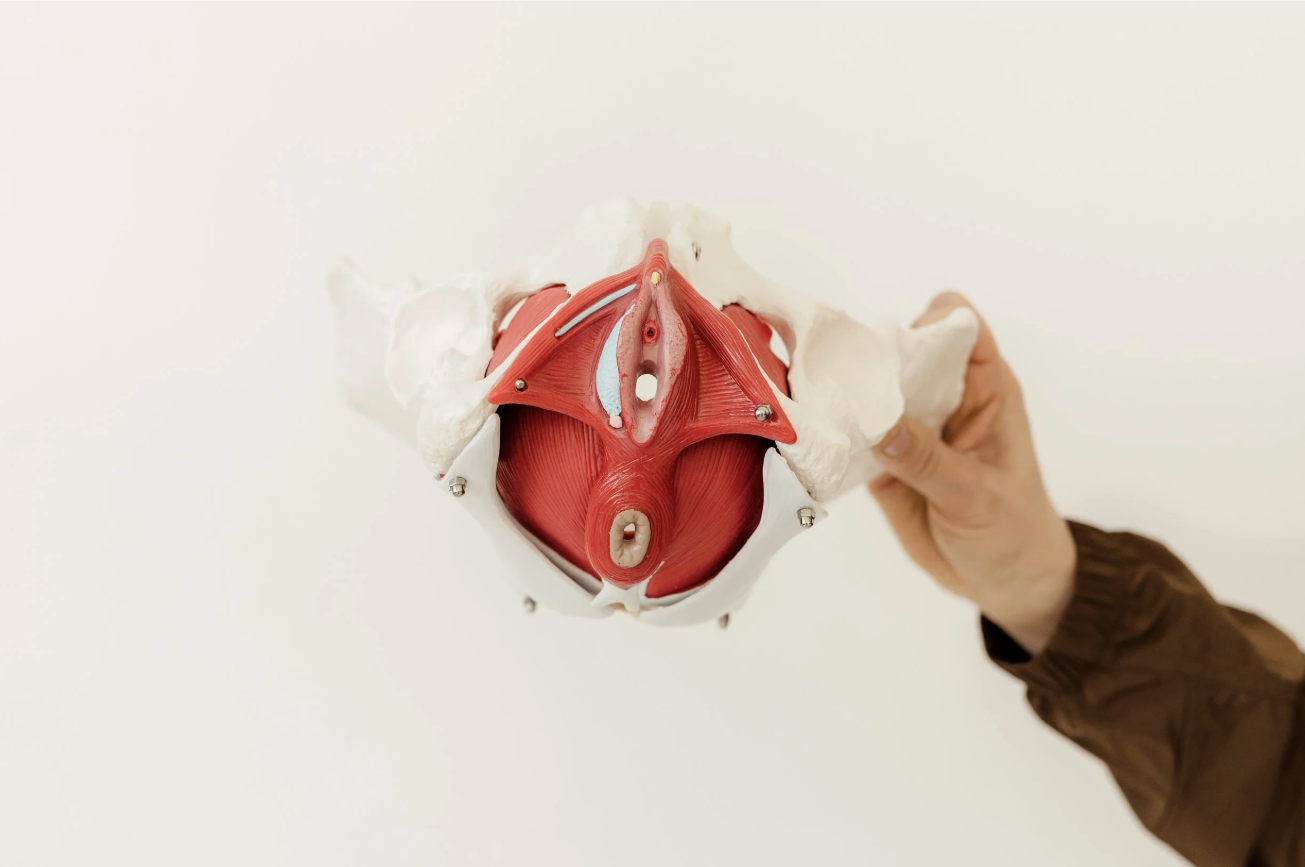
Tight and Weak Is Not a Contradiction. It’s a Survival Strategy
Most people are taught that pelvic floor problems come from weakness.
So naturally, they’re told to strengthen.
Squeeze.
Brace.
Hold.
But here’s the truth that often gets missed:
A muscle or system can be overworked, guarded, restricted, and still lack true functional strength.
That’s not failure.
That’s compensation.
When the body feels unsafe, because of childbirth, surgery, trauma, chronic stress, injury, or years of pushing through, it adapts by tightening.
That tension creates a sense of stability.
But over time, it comes at a cost.
Common symptoms of a tight + weak pelvic floor
Pelvic symptoms
Pelvic pressure or heaviness
Pelvic, vaginal, penile, or rectal pain
A feeling of tightness or tension in the pelvis
Pain with prolonged sitting
Pain with intercourse or penetration
Difficulty fully relaxing the pelvic floor
Bladder symptoms
Urinary urgency or frequency
Difficulty starting the urine stream
Feeling like you can't completely empty your bladder
Leakage with coughing, sneezing, exercise, or lifting
Having to urinate frequently but still feeling like the bladder isn't completely empty
Bowel symptoms
Constipation
Straining to have a bowel movement
Feeling like you can't fully empty
Difficulty relaxing enough to have a bowel movement
Pelvic or rectal pain
Sexual symptoms
Pain with intercourse
Difficulty relaxing during penetration
Changes in sexual function
What’s Really Happening Beneath the Surface
The pelvic floor does not work in isolation.
It’s part of a pressure system that includes:
The diaphragm
The deep abdominal wall
The hips
The spine
The fascial system that connects it all
When fascia becomes restricted, the pelvic floor is often recruited to do too much.
It stays “on” all the time.
Holding.
Gripping.
Protecting.
And a muscle that never gets to fully relax can’t generate strength when it needs to.
This is why so many people feel:
Tight internally
Heavy or achy
Leaky with impact
Worse with stress
Exhausted by their own body
Why Strengthening Alone Can Make Things Worse
If you’re strengthening a system that can’t let go, you’re layering force on top of restriction.
That often leads to:
Increased pelvic pain
More urgency or leakage
Difficulty emptying the bladder or bowels
Pain with intimacy
A feeling that your symptoms are “spreading”
This is not because you’re doing exercises wrong.
It’s because strength without mobility doesn’t restore function.
Release comes first.
Then coordination.
Then strength.
In that order.
This Is Especially Common After Babies (But Not Exclusive to Them)
Postpartum bodies are asked to adapt fast.
Pregnancy stretches tissue.
Birth changes pressure.
C-sections alter fascial continuity.
Sleep deprivation and stress keep the nervous system on high alert.
If no one ever helped your body fully restore mobility and pressure management the pelvic floor often becomes the default stabilizer.
You might look “strong.”
You might be exercising.
You might be doing all the “right” things.
And still feel stuck.
That doesn’t mean you waited too long.
It means your body is incredibly intelligent.
So, What Actually Helps?
The goal is not to “relax forever” or avoid strength.
The goal is choice.
A pelvic floor that can:
Lengthen
Shorten
Respond
Absorb
Relax
Generate force when needed
That starts with:
Restoring breath and pressure balance
Creating safety in the nervous system
Teaching the body how to share load again
This is the lens we use inside the clinic at Arancia and it’s why so many people say,
“This finally makes sense.”
A Gentle Entry Point If You’re Navigating Leaks
If bladder leakage is part of your story, whether it’s with running, jumping, laughing, or late-in-the-day urgency, please hear this:
Leaking does not automatically mean your pelvic floor is weak.
Often, it means it’s overworked and overstressed.
That understanding is the foundation of Conquer Incontinence.
The program is designed to help you:
Reduce excess pelvic floor tension
Improve pressure management
Restore coordination instead of forcing strength
Learn how your whole body contributes to bladder control
Many people use it as a first step especially if they’ve been told to “just do Kegels” and didn’t feel better.
There is no rush.
No perfection required.
Just education, awareness, and gentler support.
If This Resonates…
If this blog feels like it’s describing your body let that be information, not judgment.
Your pelvic floor isn’t broken.
It’s been working overtime and with the right approach, it can learn to trust again.