
Pregnancy can feel like a rollercoaster as you experience the highs and lows of physical and emotional changes. The biggest culprit and the one not often talked about? Your hormones.
Your hormones play a critical role in baby development and your pregnancy and postpartum journey.
What Happens to My Hormones During Pregnancy?
Thyroid Hormones
The body has a higher need for Thyroid Stimulation Hormones (THS) during pregnancy and drops after delivery. There is a slightly higher chance of having thyroid dysfunction in the first 6 to 12 months after birth. If you are experiencing thyroid dysfunction,
Cortisol
Cortisol is the hormone produced by the adrenal glands and it regulates the stress response, blood sugar, and the immune system. Cortisol contributes to a healthy development and increases throughout the pregnancy. It peaks before labor and decreases dramatically after birth. Cortisol can exacerbate depression symptoms.
Human Chorionic Gonadotropin (hCg)
Human chorionic gonadotropin starts rising during the first trimester and is responsible for telling your body to make more progesterone to support the pregnancy. It peaks at ten week and will remain higher than normal for the remainder of the pregnancy. The levels will return to normal between one week and 60 days postpartum.
Progesteron and Estrogen
Progesterone and estrogen is what helps the uterus and the placenta support eh baby. Progesterone can increase to 30 times higher between the beginning and the end of pregnancy. Estrogen increases from 100 to 1,000 times the normal level by the third trimester. The delivery of the placenta triggers a sharp drop in progesterone and estrogen. Experts think that this sharp decline of progesterone and estrogen is what triggers postpartum depression.
Oxytocin
Oxytocin levels will continue to increase after delivery in response to the decreasing progesterone and estrogen.
Prolactin
Prolactin will increase in the days after birth to stimulate milk production. If you do not breastfeed, this hormone will drop to pre-pregnancy levels after a couple of weeks.
Relaxin
Dr. Jess talks about the hormone, relaxin, in her book Postpartum is Forever saying, “During pregnancy, women produce the hormone relaxin. Relaxin makes the ligaments int he pelvic region relax and causes the joints to become loose to allow for a smooth devlierty of the baby. Sometimes, relaxin causes the ligaments that support the spine to relax was well, causing back pains.”
What Happens Postpartum?
Three to Six Weeks Postpartum
At three to six weeks postpartum, the hormones are at their peak, causing the rollercoaster of emotions that many people experience after birth. Around six weeks postpartum, that is when postpartum depression symptoms may start to appear as the feel-good hormones continue to decrease.
Three Months Postpartum
Up until three months, your system runs on adrenaline because of the lack of sleep , caretaking, and hormonal changes. Hormones are still changing but approaching pre-pregnancy levels. Cortisol often increases during this time because of the stressors of having a baby.
Six Months Postpartum
If you have been breastfeeding, you will experience a decline in prolactin as your introduce the baby to solid foods. If you never breastfed, the prolactin is already decreasing.
What to Look Out For
Postpartum Depression
Postpartum depression is very common and it affects 10%-20% of new mother globally.
Symtoms include:
Persistent feelings of sadness or depression lasting most of the day for more than two weeks
Extreme irritability or mood swings
Feelings of guilt or shame
Extreme fatigue
Anxiety and restlessness
Difficulty concentrating and making decisions
Trouble sleeping
Loss of appetite
Difficult bonding with baby
Dr. Jess on PPD from her book, Postpartum is Forever:
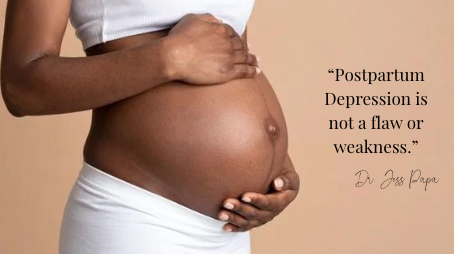
“Postpartum depression is not a flaw or weakness of any sort - it is simply a complication associated with childbirth. PPD includes physical behavior and emotional changes that women might experience after giving birth. It is a major form of depression and usually starts around a month after delivery. 1 in 9 women and 1 in 10 men experience postpartum depression. Almost 1 in 1,000 develop postpartum psychosis.”
Thyroid Inflammation (Postpartum Thyroiditis)
Thyroid inflammation occurs 1 in every 20 women in their first year after delivery.
Symptoms include:
Irritability
Dry skin
Sensitivity to heat or cold
Fatigue
Difficulty sleeping
Increased heart rate
Hormonal Imbalance
Hormonal imbalance after pregnancy is extremely common with up to 80% of mothers experiencing this due to the drastic drops in estrogen and progesterone.
Symptoms include:
Anxiety and depression
Chronic fatigue
Cysts or fibroids
Low libido
Weight gain
You Are Not Alone
Here at Arancia Physical Therapy, we are here to support you in every step of the pregnancy journey, from before pregnancy to decades postpartum. It is never too late (or early) for full body support. Call us at (401) 602-7006 for your complementary phone consultation.